Learn what causes smoke detectors to react to incense and how to enjoy incense more comfortably indoors.
This post is being prepared. Check back soon for the full article.
Incense safety
Learn what causes smoke detectors to react to incense and how to enjoy incense more comfortably indoors.

Can incense trigger smoke alarms? It can, especially when smoke builds up near a detector—for example in a small or poorly ventilated room, when several sticks burn at once, or when incense is placed directly under a ceiling alarm. In most cases a single stick in a ventilated space will not set off the alarm.
Incense produces smoke particles as it burns. While the amount of smoke is usually much lower than cooking smoke or fire smoke, some smoke detectors are sensitive enough to react when smoke accumulates in one area.
In most cases, a single incense stick used in a ventilated room will not cause any issues. However, certain conditions can increase the chances of triggering a smoke alarm.
Several factors may increase the likelihood of an alarm being activated:
The issue is usually not the incense itself, but the concentration of smoke particles reaching the detector over time.
Learn what causes smoke detectors to react to incense and how to enjoy incense more comfortably indoors.
This post is being prepared. Check back soon for the full article.
Smoke detectors respond when enough smoke particles reach a sensor—or when ionized air between charged plates is disrupted. The design of your alarm affects how quickly visible smoke (like incense) can contribute to a reading.
These alarms use a light beam inside a sensing chamber. When smoke particles scatter that light onto a sensor, the alarm can activate—often more responsive to visible, smoldering-type smoke.
Commonly triggered by:
These alarms use a tiny ionization current between charged plates. When smoke particles enter the chamber, current drops and the alarm may sound—often reacting quickly to very small particles from fast-burning flames.
Generally more sensitive to:
Because incense produces a small amount of smoke while burning, alarms—especially photoelectric types—can react if smoke lingers near the detector. For spacing, airflow, and everyday habits that help, read how to burn incense safely indoors.
Small habits can sometimes cause incense smoke to build up more quickly indoors and increase the chances of triggering smoke alarms.
Some of the most common mistakes include:
In most cases, incense can be enjoyed comfortably indoors when used in moderation with proper ventilation and safe placement. If you are unsure about everyday home use, our guide on whether incense is safe walks through the basics.
Open a window slightly or allow gentle airflow.
A proper holder keeps ash contained and allows even burning.
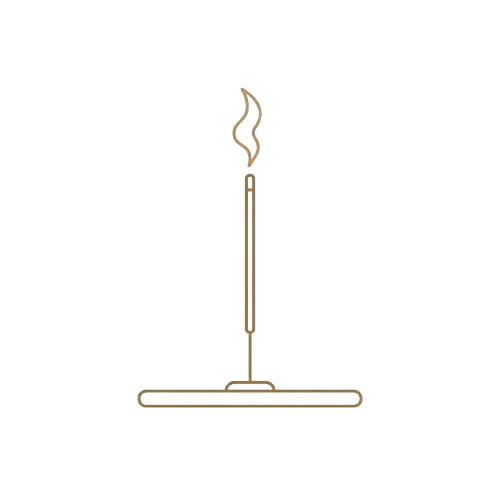
Using multiple sticks increases smoke concentration indoors.
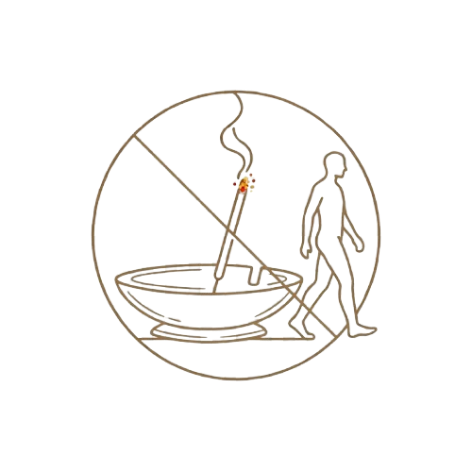
Always extinguish incense before leaving the room or going to sleep.
Some incense sticks are designed to create a cleaner and lighter burn experience. Charcoal-free incense is often preferred by people looking for a more balanced indoor fragrance experience with reduced smoke buildup. For what that means in practice, see charcoal-free incense explained in plain language.
While all incense produces some smoke during burning, cleaner formulations and high-quality ingredients may help create a smoother burn compared to heavier traditional incense products.
Proper ventilation and moderate use are still important for comfortable indoor burning.
Many people living in apartments wonder whether incense can be used safely. In most cases, incense can be enjoyed comfortably if it is burned in moderation and in a well-ventilated area. Choosing plant-based incense sticks can also align with a cleaner-burning routine in tighter spaces.
Placing incense near a window or in a larger room allows the smoke to disperse gently without building up near the ceiling.
With mindful placement and good airflow, incense can continue to be part of your relaxation or meditation routine.
Incense has been used around the world for centuries to support relaxation, meditation, and peaceful environments. Its gentle fragrance can help transform a room into a calm and welcoming space.
When used responsibly and with proper ventilation, incense remains a simple and enjoyable way to add warmth and fragrance to everyday moments.
If you are concerned about smoke alarms, choosing high-quality charcoal-free incense sticks can make a difference. Clean-burning fragrances like sandalwood, lavender, frankincense, and cedarwood produce a gentle aroma while creating a calm and pleasant atmosphere. When burned in a well-ventilated space, incense can be safely enjoyed as part of daily rituals, meditation, or relaxation—and you can explore scents on our incense sticks Canada collection page.
Different incense fragrances can help create different moods and experiences indoors.
Popular fragrances for relaxation and everyday rituals include:


Choosing lighter, clean-burning incense and using proper ventilation can help maintain a calm and pleasant atmosphere indoors.
Mindful rituals with Vismay incense for every moment of your day.
Start your day with clarity, positivity and gentle energy.
Shop Morning RitualYes, incense can sometimes trigger smoke alarms if smoke particles accumulate near sensitive detectors.
Photoelectric smoke alarms are generally more sensitive to visible smoke particles from incense.
No. Most incense used in a ventilated room will not trigger alarms.
Keep incense several feet away from detectors and avoid placing it directly underneath them.
Low-smoke or charcoal-free incense may help reduce smoke buildup indoors.
Incense can generally be used safely indoors with proper ventilation and moderation.
A small amount of airflow helps disperse smoke and reduce buildup.
Yes. More smoke concentration increases the chance of triggering sensitive detectors.
Many charcoal-free incense sticks are designed for a cleaner and lighter burn experience.
Clean-burning incense made with balanced plant-based ingredients often produces lighter smoke output.